
Water Damage Timeline: What Happens After 30, 60, and 90 Days
Water damage doesn’t always look dramatic at first. Sometimes it’s a small leak under a sink, a damp carpet after heavy rain, or a slow drip behind a wall. Because the damage isn’t obvious, many homeowners assume it can wait.
In Destin and across the Gulf Coast, that assumption is costly.
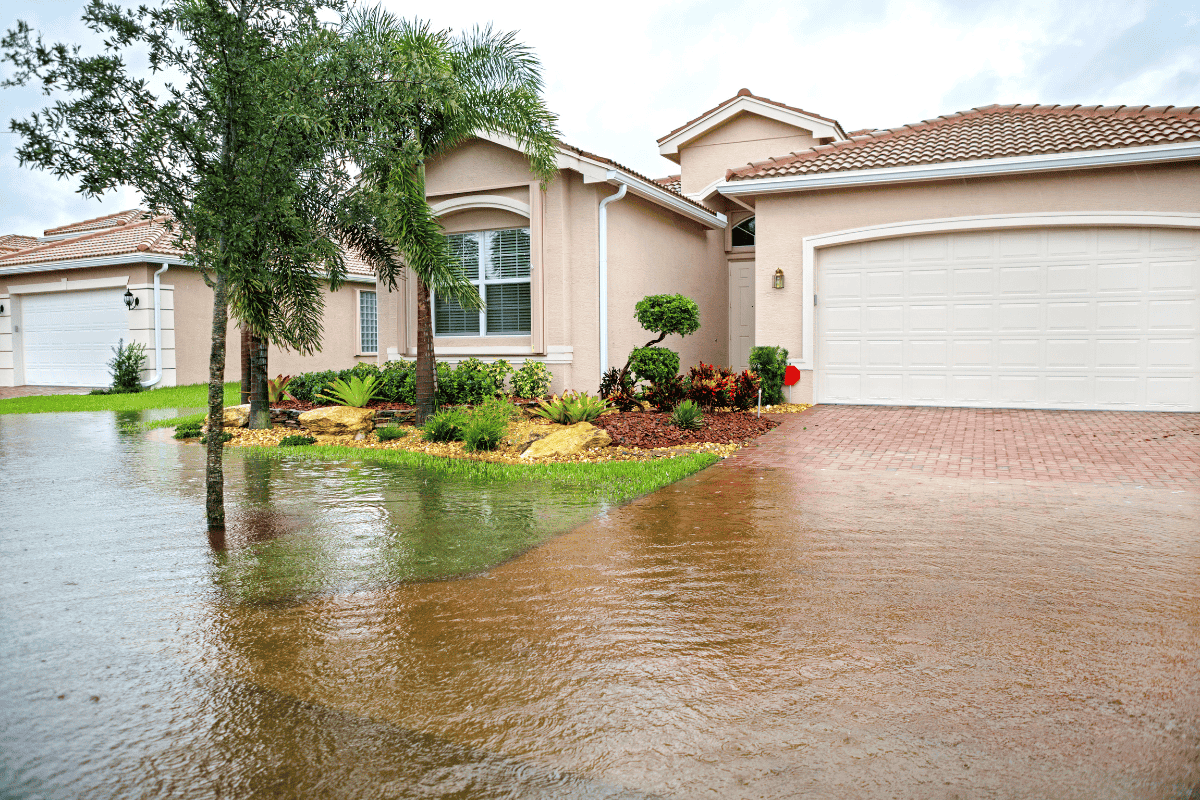
Florida’s humidity, warm temperatures, and building materials allow water damage to spread quickly, often long before you see visible signs. What starts as a minor issue can turn into structural damage, mold growth, and insurance complications in a matter of weeks.
At
True North Restoration, we regularly see homes where water damage was underestimated early on. To help you understand why timing matters, here’s what typically happens when water damage is left untreated for 30, 60, and 90 days, and how it affects your home, your health, and your insurance claim.
Why Water Damage Moves Fast in Florida Homes
Water damage behaves differently in coastal Florida than it does in cooler or drier parts of the country. Moisture doesn’t dry out as quickly here and often hangs around longer than homeowners expect.
Florida homes often have:
- High indoor humidity
- Materials that absorb moisture quickly
- Enclosed spaces like walls, attics, and crawl spaces where water gets trapped
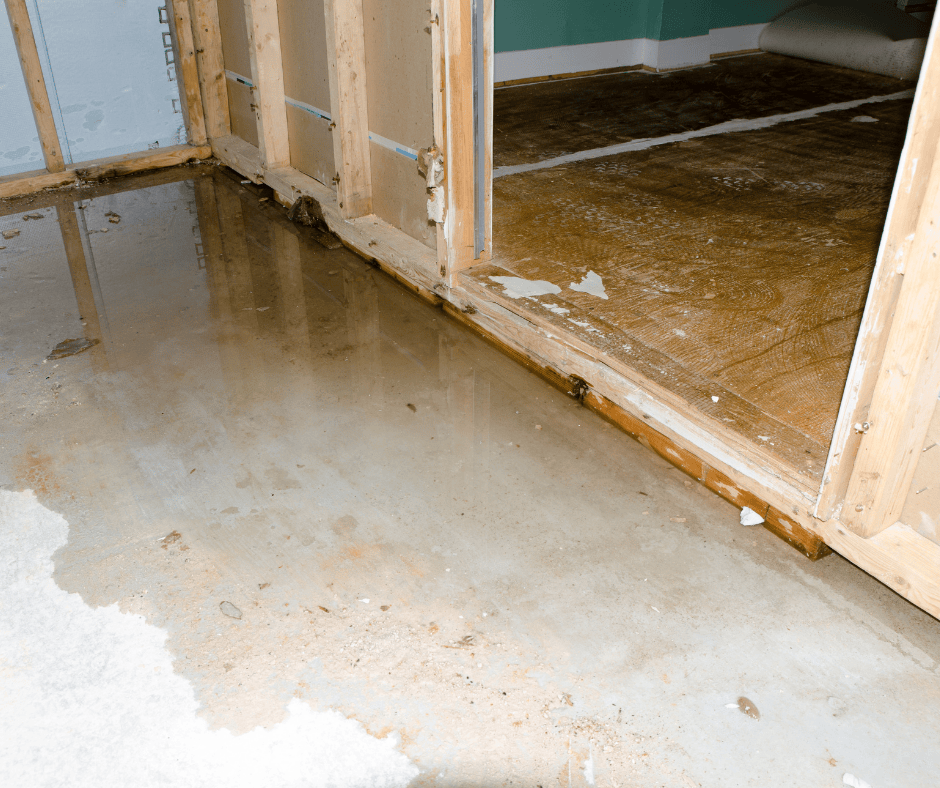
Because of this, water spreads well beyond the original source. Even if the surface looks dry, moisture can remain hidden inside walls, under floors, and behind cabinets.
After 0–30 Days: The Hidden Damage Phase
During the first month, water damage is often out of sight but actively spreading.
What’s happening behind the scenes
- Water soaks into drywall, insulation, and flooring
- Wood framing begins absorbing moisture
- Metal components start to corrode
- Flooring adhesives weaken
- Moisture migrates into adjacent rooms
Even if surfaces feel dry, moisture can remain trapped inside walls and under floors.
Common homeowner mistake
Many people try DIY cleanup, such as towels, fans, and
dehumidifiers, thinking the problem is solved. Unfortunately, surface drying doesn’t remove moisture embedded deep in materials.
Insurance risk
If damage worsens later, insurers may question when the loss actually occurred. Early documentation is critical.
After 30–60 Days: Structural Weakening & Mold Growth Begin
By the second month, untreated water damage becomes far more serious.
Structural concerns
- Drywall begins to soften and crumble
- Wood framing may start warping
- Subflooring weakens
- Cabinets and baseboards swell and separate
At this stage, repairs often go beyond drying and move into material replacement.
Mold growth becomes likely
In Florida homes, mold can begin developing within weeks, but it often becomes noticeable in the 30–60 day window.
Signs include:
- Musty odors
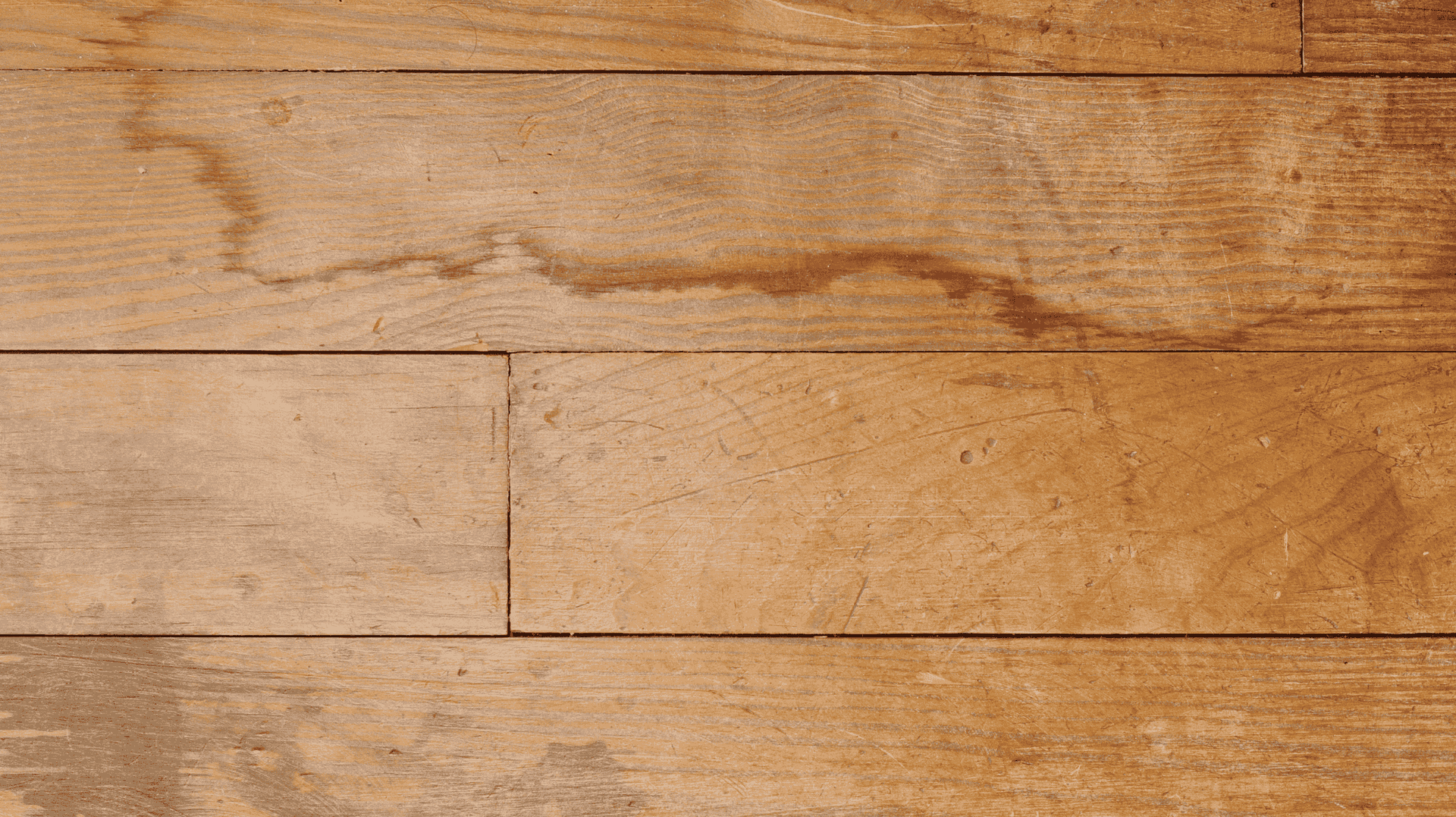
- Discoloration on walls or ceilings
- Increased allergy or respiratory symptoms
Insurance complications increase
Insurance policies typically require homeowners to act quickly to prevent further damage. Waiting too long can result in:
- Partial claim denials
- Reduced payouts
- Mold exclusions being enforced
This is one of the most common reasons claims get disputed.
After 60–90 Days: Major Damage & Expensive Repairs
By the time water damage reaches the 90-day mark, the situation is rarely simple or inexpensive.
Severe structural damage
- Rotting wood framing
- Compromised subfloors
- Sagging ceilings
- Loose or damaged tile and flooring
- Electrical risks from prolonged moisture exposure
At this point, restoration often requires demolition, not just drying.
Widespread mold contamination
Mold can spread:
- Inside walls
- Through HVAC systems
- Into crawl spaces and attics
Professional mold remediation becomes necessary, adding time and cost to recovery.
Insurance claim challenges
After 90 days, insurance companies may argue:
- The damage was gradual, not sudden
- The homeowner failed to mitigate
- Mold growth resulted from neglect
Even valid claims become harder to defend without
professional documentation.
Why Waiting Always Costs More
Delaying water damage restoration doesn’t save money—it multiplies costs.
Early response may involve
- Moisture detection
- Drying and dehumidification
- Minor material repairs
Delayed response often requires
- Structural repairs
- Mold remediation
- Flooring and drywall replacement
- Electrical inspections
- Longer insurance negotiations
The difference between
calling immediately and waiting months can mean thousands of dollars.
When to Call a Restoration Professional Immediately
Call for professional water damage restoration if you notice:
- Water stains or bubbling paint
- Warped floors or baseboards
- Persistent musty odors
- Recent leaks, overflows, or storm intrusions
- Moisture that doesn’t fully dry within 24 hours
If you’re unsure,
an inspection is always safer than waiting.
How True North Restoration Helps Prevent Escalation
True North Restoration specializes in fast, insurance-friendly water damage response for
Destin and surrounding Gulf Coast communities.
What sets us apart
- 45-minute average on-site response
- 24/7 emergency services
- Advanced moisture detection technology
- Certified IICRC restoration specialists
- Direct communication with your insurance company
- Thorough documentation to support your claim
We don’t just dry what you can see—we find and address hidden moisture before it turns into long-term damage.
Don’t Let Time Make Water Damage Worse
This is paragraph text. Click it or hit the Manage Text button to change the font, color, size, format, and more. To set up site-wide paragraph and title styles, go to Site Theme.